Home›Dermatology A–Z›Niacinamide
Niacinamide
Vitamin B3 derivative commonly used for barrier support, pigmentation and redness.
 Dr Davin Lim, Dermatologist
In brief
What is it?
Niacinamide is a form of vitamin B3. Applied to skin, it supports the barrier that holds water in and irritants out, and reduces the transfer of pigment to the skin surface.
What is it best for?
What does it actually do?
What Niacinamide will not do
Niacinamide will not remove established melasma by itself, dramatically remodel acne scars or replace appropriate prescription treatment when this is required.
In detail
The specifics, for patients who want them and for clinicians.
Using it
IngredientWhat it does, and how well we know it
Increases ceramides and reduces water loss, so skin is less reactive.
Slows the transfer of pigment to the surface, softening marks over 8–12 weeks.
Helps background redness, particularly where the barrier is weak.
A modest effect on sebum and the look of pores.
Risks and limitations
More likely at 10%. Drop to 2–5%.
Usually from the product base rather than niacinamide itself.
Common questions about niacinamide
2 questionsReferences
Hakozaki T, et al. The effect of niacinamide on reducing cutaneous pigmentation and suppression of melanosome transfer. Br J Dermatol 2002;147(1):20–31.
Bissett DL, et al. Niacinamide: a B vitamin that improves aging facial skin appearance. Dermatol Surg 2005;31(7 Pt 2):860–865.
Have some questions?
Send a message and it will be answered personally.
See the work before you book
Procedures, technique, before and afters, and the reasoning behind them — posted across three accounts, each with its own focus.
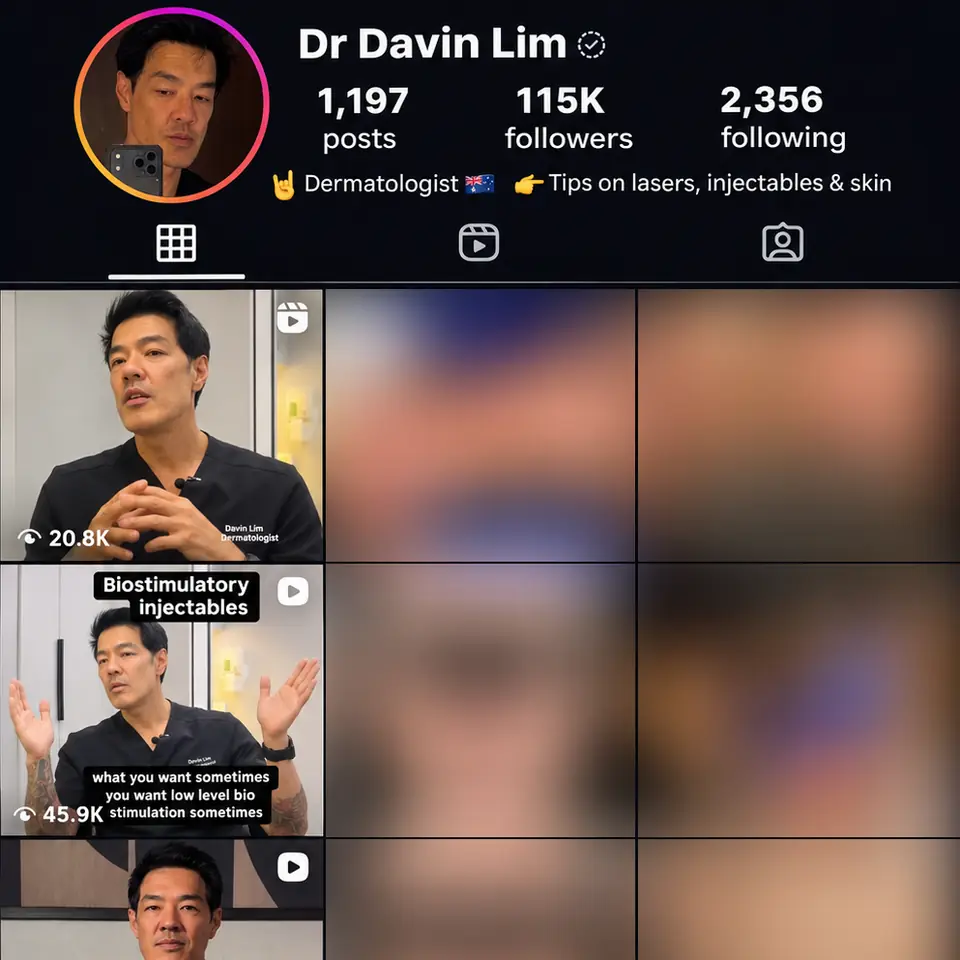 @101.skinThe main account — procedures, lasers, before and afters, and the reasoning behind treatment choices.Follow on Instagram →
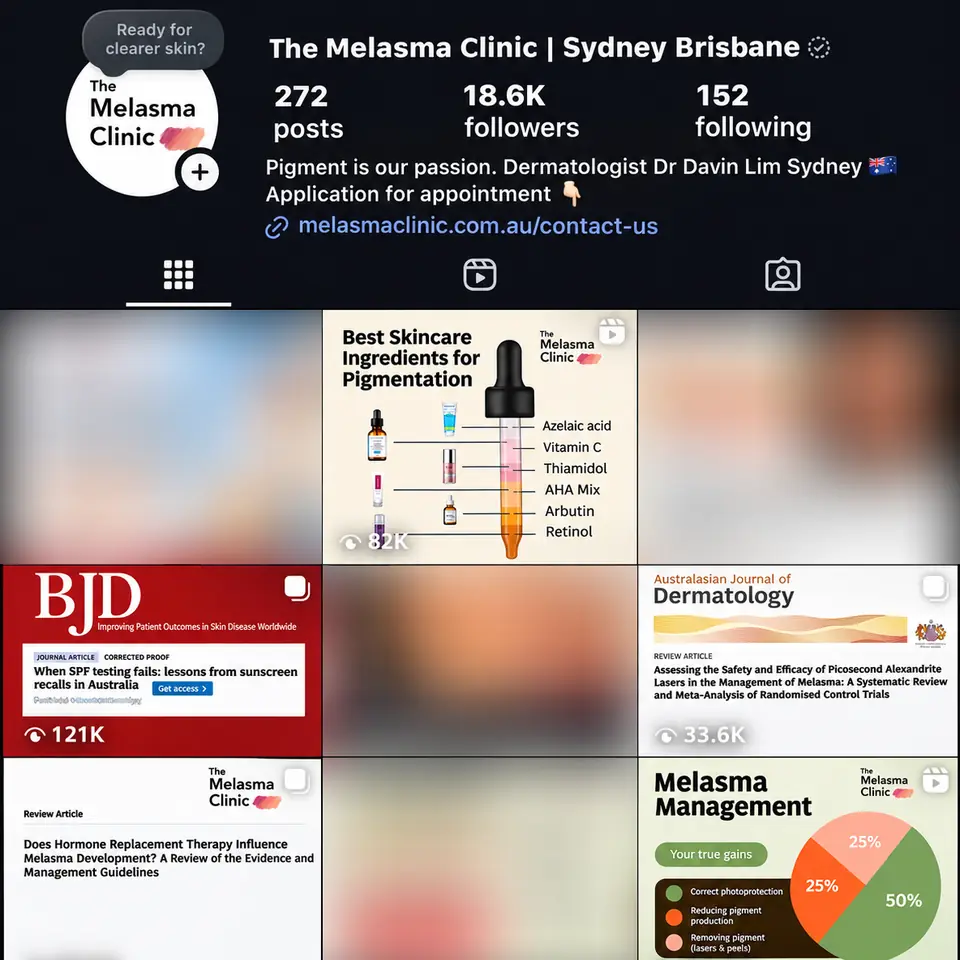 @the_melasma_clinicEverything pigment: melasma, sun damage, post-inflammatory pigmentation and the honest limits of each treatment.Follow on Instagram →
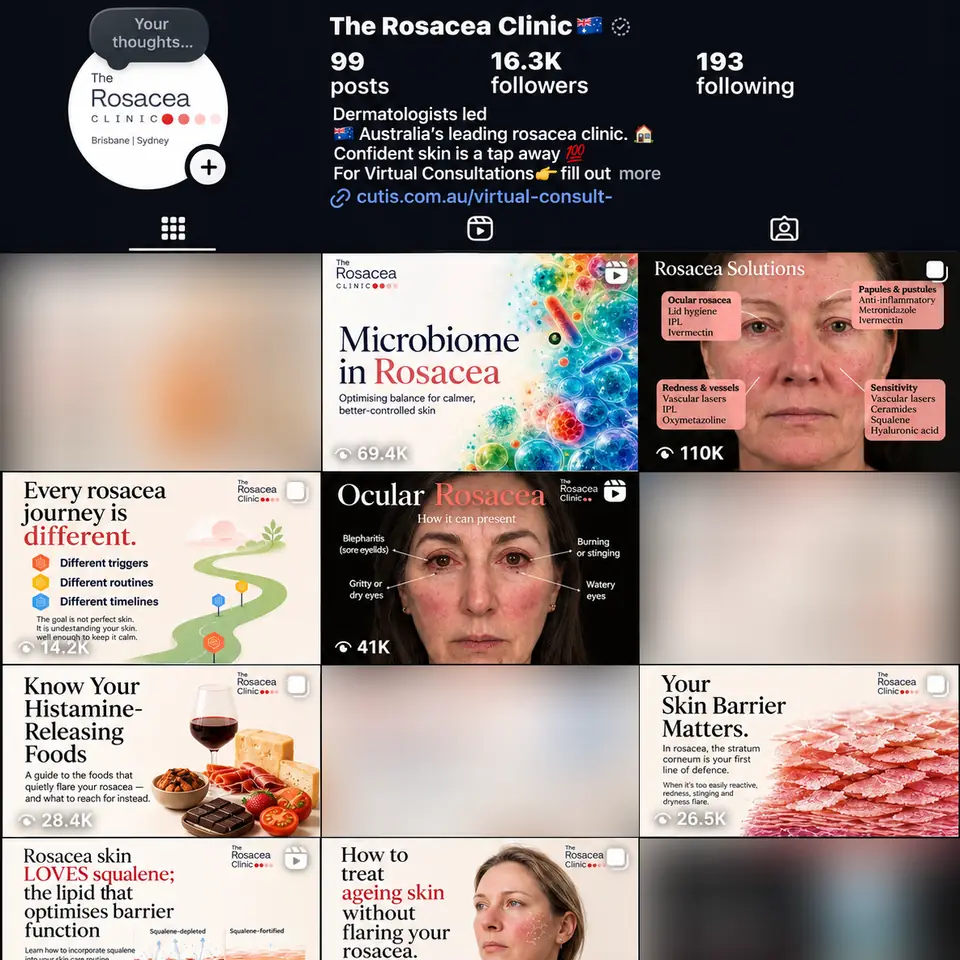 @the.rosacea.clinicRosacea, flushing and facial redness — triggers, devices, and what actually settles it.Follow on Instagram →